
Blog
Threshold bars explained: Types, safety & best choices

Apr
TL;DR:
- Threshold bars create safe, level transitions and protect flooring edges from damage and moisture.
- Different types of threshold bars suit specific flooring materials and height differences for optimal results.
- Proper installation and high-quality metal bars ensure durability, safety, and a polished interior finish.
The gap between two different floor surfaces might seem like a minor detail, yet it has a surprisingly large effect on how a room looks, how safe it feels, and how long your floors last. Walk from a carpeted hallway into a tiled kitchen without the right threshold bar, and you’ll notice the difference immediately. The floor edge looks unfinished, people catch their feet, and moisture can work its way underneath. For homeowners refreshing a room and contractors running full renovations alike, understanding threshold bars is one of those practical skills that pays off every single time. This guide cuts through the confusion and gives you a clear picture of what threshold bars are, which type suits your project, and how to get the best result.
Table of Contents
- What are threshold bars and why do they matter?
- Types of threshold bars: Features and functions
- How threshold bar selection impacts safety and style
- Installation and care: What homeowners and contractors need to know
- Beyond basics: Why attention to threshold bars sets quality homes apart
- Upgrade your flooring transitions with the right threshold bars
- Frequently asked questions
Key Takeaways
| Point | Details |
|---|---|
| Threshold bar purpose | They ensure safe, stylish transitions and protect the edges between different types of flooring. |
| Type matters | Matching the threshold bar to your flooring combinations prevents trips and maintains a high-quality finish. |
| Solid metal advantage | Solid metal threshold bars last longer and provide greater style for UK homes than plastic types. |
| Proper installation | Fitting and caring for threshold bars properly extends the life of your floors and reduces safety risks. |
What are threshold bars and why do they matter?
A threshold bar is a length of trim fitted across the join between two different flooring surfaces, typically at a doorway or between rooms. Its job is to bridge the gap cleanly, hold both floor edges in place, and create a flush or gently ramped surface that people can walk over safely. Without one, floor edges are exposed to damage, moisture, and the inevitable scuff of daily foot traffic.
In UK homes, threshold bars appear in dozens of situations: where carpet meets laminate in a hallway, where vinyl transitions into hardfloor tiles in a kitchen, or where two rooms with different floor heights meet under a doorframe. The right bar keeps everything looking intentional and tidy rather than rushed or unfinished.

Threshold bars create safe, level transitions between different flooring types, and that function matters far more than most people realise when they first start planning a flooring project.
The practical benefits go well beyond appearances:
- Trip prevention: A properly fitted bar creates a smooth, low-profile crossing point instead of a raised or exposed edge.
- Floor protection: Exposed flooring edges chip, fray, or lift over time. A threshold bar seals and holds them in place.
- Moisture control: In areas like kitchens and bathrooms, bars reduce the chance of water seeping between floor surfaces and causing damage underneath.
- Acoustic benefit: A snug-fitting bar helps reduce sound transfer between rooms, particularly useful in flats and terraced houses.
- Visual finish: A well-chosen bar ties two flooring types together and makes the whole floor plan look cohesive.
For anyone wanting to understand floor threshold basics before committing to a product, it helps to know that solid metal bars are the preferred choice for both durability and appearance in residential and commercial settings across the UK. They outlast cheaper alternatives and simply look better over time.
Worth knowing: Threshold bars are one of the most overlooked elements in a flooring project, yet they’re one of the first things visitors notice when a floor transition is done poorly.
Types of threshold bars: Features and functions
Not every threshold bar works in every situation. The type of bar you need depends on the flooring materials being joined, whether the two surfaces are at the same height, and how much foot traffic the area receives. Understanding different threshold types are needed depending on the flooring types being joined is the foundation of a successful installation.
Here are the main types you’ll encounter:
- Standard flat bar (cover strip): Used when both floor surfaces sit at the same height. Lies flat across the join and holds both edges in place. Common between two hard floor types.
- Ramp bar (single-edge ramp): Designed for transitions where one floor is slightly higher than the other. The angled profile creates a gentle slope rather than an abrupt step.
- Double nap bar: The go-to choice for carpet to laminate threshold joins. It grips the carpet pile on one side and sits flush against the hard floor on the other.
- Z bar: A specialist profile used where one floor is notably lower than the other, creating a stepped shape that accommodates the height difference.
- Slim cover strip: A lower-profile option for minimal-height transitions, often between two laminate or vinyl surfaces.
| Bar type | Best for | Floor height | Typical use |
|---|---|---|---|
| Flat cover strip | Hard floor to hard floor | Equal | Living room to hallway |
| Ramp bar | Hard floor to carpet | Slight difference | Bedroom doorway |
| Double nap | Carpet to laminate/vinyl | Equal or slight | Hallway to lounge |
| Z bar | Two unequal hard floors | Noticeable gap | Kitchen to utility room |
| Slim cover strip | Laminate to vinyl | Minimal | Open-plan spaces |
When it comes to material, solid metal bars are the clear leader. Brass bars suit traditional and period interiors beautifully. Solid steel bars with a brushed or polished hand finish look sharp in contemporary settings. You can explore the full range of laminate threshold strips to get a sense of how the right profile and finish combine. For a broader look at how flooring products are categorised in the UK, a floor coverings overview can be useful context.
Longevity and maintenance at a glance:
- Solid metal bars resist dents, corrosion, and discolouration far better than plastic equivalents.
- Hand-finished surfaces are easier to wipe clean without risking the finish.
- Brass and solid metal bars can last the full lifetime of the floor if correctly fitted.
How threshold bar selection impacts safety and style
Choosing the wrong threshold bar is not just a cosmetic problem. A bar that sits too high becomes a genuine trip hazard. One that sits too low leaves a gap that catches heels, collects debris, and eventually lets moisture in. The choice you make at this stage shapes the safety and the look of your floor for years.
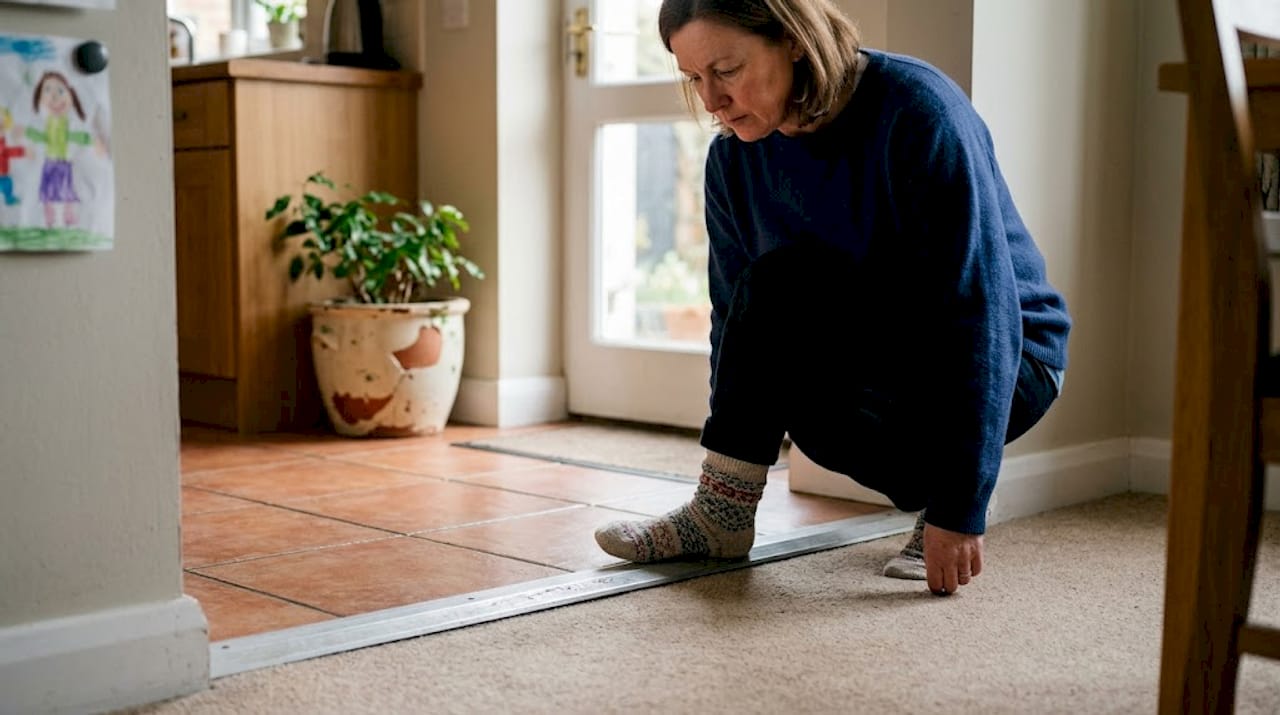
Well-chosen threshold bars can reduce trip hazards by over 30%, which is a significant figure when you consider that floor-level trips are among the most common causes of minor injuries in UK homes.
Here is how each decision in the selection process has a knock-on effect:
- Profile match: Selecting the right bar profile for your flooring heights means the transition sits correctly and there are no raised edges to catch on.
- Material choice: Solid metal bars offer genuine rigidity. A bar that flexes underfoot is far more likely to lift over time, creating exactly the kind of edge you were trying to avoid.
- Finish selection: A finish that matches your door furniture or skirting boards ties the room together. Mismatched finishes draw the eye for the wrong reasons.
- Secure fixing: A bar that isn’t anchored properly will shift, leaving gaps and creating noise underfoot.
- Height calibration: Getting the fit right at installation stage means you won’t need to revisit it in six months.
Solid metal bars also bring a quality that plastic and cheaper alternatives simply cannot match. The weight of the bar, the sharpness of the edges, and the depth of the hand finish all contribute to what designers call the premium feel of a room. These are the details that separate a finished renovation from a truly polished one.
The threshold strip roles in a room extend beyond function and become part of the overall interior language.
Pro Tip: When choosing a finish for your threshold bar, hold a sample against your door hinges and skirting boards in natural light. The daylight test reveals whether the tones work together far better than any indoor lighting will.
Installation and care: What homeowners and contractors need to know
Even the best threshold bar will underperform if it isn’t fitted correctly. Properly installed threshold bars protect edges and ensure lasting flooring performance, which is why installation method matters just as much as product choice. For a broader view of how hybrid flooring projects are approached across different rooms, hybrid flooring advice covers useful background.
| Metal type | Fixing method | Difficulty | Best setting |
|---|---|---|---|
| Brass | Screw or adhesive | Easy to moderate | Period, traditional, and classic interiors |
| Solid steel | Screw fixed | Moderate | Contemporary and modern interiors |
| Solid metal (other finishes) | Screw or clip system | Easy to moderate | Any domestic or commercial setting |
For hardfloor thresholds explained in more detail, including drilling and fixing guidance specific to tile and stone floors, the fitting notes are particularly useful before you start.
Common installation mistakes to avoid:
- Fitting a bar that’s too wide for the doorway, forcing it to bow in the middle.
- Not pre-drilling into solid subfloors, which causes the bar to sit unevenly.
- Using adhesive alone on a high-traffic threshold where screws are more reliable.
- Ignoring expansion gaps in laminate floors, which can cause buckling once the bar is fixed down.
- Choosing a bar based on colour alone without checking the profile suits the height difference.
Basic care for UK homeowners:
- Wipe the bar down with a damp cloth weekly in high-traffic areas.
- Avoid bleach-based cleaners on hand-finished surfaces as they dull the finish over time.
- Check the fixings annually and re-tighten if you notice any movement.
- Re-apply a metal polish appropriate to the finish every one to two years to maintain the surface.
Pro Tip: If your threshold bar starts to rock slightly underfoot, address it immediately. What starts as a tiny amount of movement quickly wears away at the fixing holes and can mean a full refit rather than a simple tighten.
For genuinely tricky situations, such as stone-to-carpet joins on an uneven subfloor, or bespoke doorways with unusual widths, a professional fitter will save you more in time and materials than their fee costs.
Beyond basics: Why attention to threshold bars sets quality homes apart
After years of working with contractors and seeing renovations of every quality level, one pattern stands out clearly. The homes that look truly exceptional are never the ones with the most expensive tiles or the latest flooring trend. They are the ones where every single junction has been thought about.
Threshold bars are a perfect example of where shortcuts become expensive over time. A cheap plastic bar fitted in a hurry will lift, discolour, and crack. Then you’re pulling it out, touching up the flooring underneath, and starting again. The cost of doing it twice always exceeds the cost of doing it properly the first time.
Solid metal bars with a proper hand finish are an investment in the sense that they genuinely hold their quality. They don’t yellow. They don’t warp. They don’t look tired after two years of foot traffic. When a prospective buyer walks through a home and every floor transition sits flush and finished, they feel the quality without being able to name it. That impression of quality, built from dozens of small decisions, is what pushes a home into a higher category.
The detail is worth the attention. Every time.
Upgrade your flooring transitions with the right threshold bars
Knowing what to look for is the first step. Finding solid metal threshold bars that genuinely deliver on safety, style, and longevity is where Quality Carpet Trims comes in. Every bar we supply is hand-finished in one of ten beautiful finishes, made in the UK, and built to suit both domestic and commercial projects.
Whether you’re a homeowner fitting a single doorway or a contractor managing multiple rooms, our range of brass door threshold bars covers every profile and finish you’ll need. If you’re still weighing up your options, our explained trim types guide walks you through each product clearly so you can match the right bar to your floor with confidence. Expert advice is always available, and we’ll help you get it right first time.
Frequently asked questions
What are threshold bars used for?
Threshold bars bridge the gap between different floor types, creating a smooth, safe transition and protecting flooring edges. Threshold bars ensure neat and secure floor edging across doorways and room joins.
How do I choose the right threshold bar for my floor?
Match the threshold bar material and profile to your flooring types and heights for the best appearance and performance. Choosing the correct profile is key for effective transitions, particularly where two different surface heights are involved.
Are metal threshold bars better than plastic options?
Solid metal threshold bars usually last longer, offer greater stability, and look more premium than plastic alternatives. Metal bars provide durability that holds up well in high-traffic areas over many years.
Can I fit a threshold bar myself or should I hire a professional?
Many threshold bars are DIY-friendly with straightforward screw-fix or adhesive installation. For complex joins or high-value floors, professional fitting ensures the best and most lasting result.
How do I clean and maintain a solid metal threshold bar?
Wipe with a damp cloth and avoid harsh chemicals; routine cleaning keeps metal bars looking smart and lasting longer. Simple maintenance extends life considerably, particularly when combined with an annual check on the fixings.
Recommended
- Threshold Strips – Quality Carpet Trims
- Door bars explained: seamless flooring transitions made simple
- What is a threshold strip? A complete 2026 guide
- Door Threshold Bars – Quality Carpet Trims
- Essential guide to stairlift weight limits for safe use