
Blog
Master the role of threshold strips for flooring transitions

Mar
Threshold strips do more than decorate doorways. They ensure smooth, safe transitions between different flooring types whilst protecting edges from wear and allowing materials to expand naturally. Many homeowners underestimate their importance until flooring buckles or creates trip hazards. This guide explains types, benefits, installation techniques, and expert tips for UK homes and design projects. You’ll learn how to choose the right threshold strips to enhance your flooring investment and home value.
Table of Contents
- Key takeaways
- What are threshold strips and why are they essential
- Choosing the right threshold strip for your home or project
- How to install threshold strips correctly for best performance
- Special considerations for challenging areas and compliance in UK homes
- Enhance your flooring with expert threshold strips from Quality Carpet Trims
- Frequently asked questions
Key Takeaways
| Point | Details |
|---|---|
| Safe transitions | Threshold strips provide smooth transitions between different floor surfaces while protecting edges. |
| Trip hazard reduction | Properly installed strips eliminate gaps and height differences that cause trips. |
| Measure height differences | Installation requires measuring floor heights at multiple points and leaving expansion gaps. |
| Material choice matters | Durability and suitability depend on aluminium, vinyl and wood finishes for different conditions. |
| UK safety guidance boosts value | Following UK safety and accessibility recommendations enhances home value. |
What are threshold strips and why are they essential
Threshold strips bridge gaps between different flooring surfaces at doorways, providing smooth transitions for same-height or differing-height floors. They serve multiple practical purposes beyond appearance. Without them, flooring edges fray, gaps widen, and trip hazards develop.
Different types suit different height variations. T-profiles work when both floors sit at identical heights, creating a neat join. Reducers and ramps handle uneven floors where one surface sits higher than another. The right profile depends entirely on measuring your specific floor heights accurately.
Materials include aluminium, PVC, and wood finishes. Each offers distinct advantages. Aluminium provides exceptional durability for busy areas. PVC offers flexibility and waterproofing for bathrooms. Wood finishes complement traditional interiors beautifully.
Pro Tip: Always measure floor heights at multiple points along the doorway, as older properties often have uneven subfloors that require adjustable solutions.
Threshold strips deliver five core functions:
- Prevent trips by eliminating gaps and height differences
- Protect flooring edges from chipping and wear
- Allow expansion and contraction of flooring materials
- Create a finished, professional aesthetic
- Improve accessibility for wheelchairs and prams
Additional benefits include noise reduction between rooms and draught prevention under doors. These secondary advantages make threshold strips valuable throughout your home, not just in high-traffic areas. The threshold strips guide for UK homes explains how proper installation maximises these benefits.
“Threshold strips transform doorways from potential hazards into seamless transitions that enhance both safety and design continuity throughout your home.”
Choosing the right threshold strip for your home or project
Flooring height differences determine which profile you need. Measure carefully at several points. Same-height floors require T-profiles. Height differences up to 8mm suit standard reducers. Larger gaps up to 30mm need adjustable ramp systems.

Material choice impacts longevity significantly. Aluminium lasts up to 20 years in high-traffic areas whereas vinyl provides waterproof flexibility. For UK homeowners prioritising durability, aluminium outperforms alternatives in busy hallways and commercial spaces. PVC suits bathrooms and kitchens where moisture resistance matters most.
| Material | Best for | Lifespan | Key advantage |
|---|---|---|---|
| Aluminium | High-traffic areas | 15-20 years | Exceptional durability |
| PVC/Vinyl | Wet areas, curves | 10-15 years | Waterproof, flexible |
| Wood finish | Traditional interiors | 10-12 years | Aesthetic warmth |
Finish and colour matching creates design continuity. Oak finishes complement wooden floors. Brushed steel suits modern minimalist spaces. Chrome works beautifully with contemporary fittings. The threshold strips range offers multiple finishes to match your interior palette perfectly.
Pro Tip: Order samples before committing to large projects, as screen colours rarely match real-world finishes accurately, especially for metallic and wood-effect options.
Expansion gaps prevent buckling. Always allow 5-12mm gaps to accommodate floor movement from temperature and humidity changes. Laminate and engineered wood expand more than solid materials. Failing to leave adequate space causes warping and damage within months.
Sealing considerations vary by location. Wet zones benefit from minimal sealant that maintains waterproofing whilst allowing expansion. Dry areas rarely need sealing at all. Over-sealing restricts movement and creates problems. The threshold strips selection guide helps match products to specific room conditions.
Budget-friendly options exist without compromising quality. PVC strips cost less than aluminium whilst still providing years of service in appropriate locations. Focus spending on high-traffic areas where durability justifies premium materials. Use economical options in low-traffic spaces.
How to install threshold strips correctly for best performance
Measure floor heights and doorway width accurately before ordering. Use a spirit level to check for slopes. Older properties often have uneven subfloors requiring adjustable solutions. Width measurements should account for door frame rebates and architrave positions.
Surface preparation determines adhesion quality. Clean thoroughly to remove dust, grease, and old adhesive residue. Vacuum first, then wipe with methylated spirits. Any contamination prevents proper bonding and causes early failure.
Installation includes measuring height difference and width, cleaning surface, and using adhesive, screws, or clips fixed to the subfloor with an expansion gap. Choose your fixing method based on floor type and traffic levels:
- Mark the centre line under the door for accurate positioning
- Cut the strip to exact width using a hacksaw for metal or sharp knife for PVC
- Apply adhesive or position fixing clips on the subfloor, not the floating floor
- Press the strip firmly into place, ensuring it sits level across its length
- Secure with screws if using mechanical fixings, spacing them evenly
- Leave 5-12mm expansion gaps at both ends to accommodate floor movement
- Wipe away excess adhesive immediately before it sets
Centring the strip under the door creates the best aesthetic and functional result. It should sit exactly where the door closes, visible from both sides equally. Asymmetric positioning looks unprofessional and may interfere with door operation.
Pro Tip: For underfloor heating installations, use adhesive or clip methods exclusively to avoid puncturing pipes, and verify pipe locations with thermal imaging before any drilling.
Floating floors require special attention. Never screw through laminate or engineered wood as this prevents expansion and causes buckling. Use adhesive or clips that fix to the subfloor only. The installing threshold strips guidance explains floating floor techniques in detail.
Adhesive selection matters. Contact adhesive suits light-traffic areas. Polyurethane adhesive provides stronger bonds for busy doorways. Flexible adhesives accommodate movement better than rigid types. Follow manufacturer recommendations for curing times before allowing foot traffic.
Special considerations for challenging areas and compliance in UK homes
Uneven floors present unique challenges. Adjustable reducers handle height differences up to 30mm effectively. These systems use multiple components that telescope to match your specific floor levels. Measure carefully at several points as older properties rarely have consistent heights.
High-traffic areas demand robust materials. Aluminium or stainless steel threshold strips withstand constant use in hallways and commercial spaces. They resist denting and maintain appearance despite heavy footfall. Budget options fail quickly in these locations, requiring costly replacement.
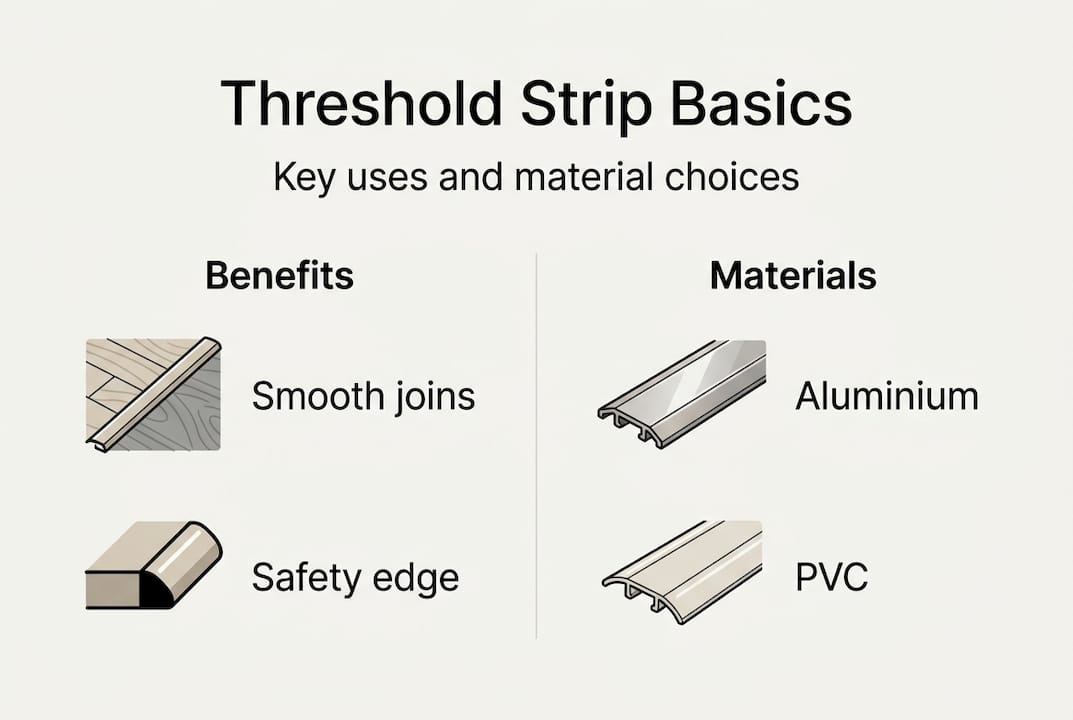
Wet environments need waterproof materials with careful sealing. Bathrooms and kitchens benefit from PVC strips that resist moisture damage. Apply minimal sealant to prevent water ingress whilst maintaining expansion allowance. Over-sealing restricts movement and causes problems.
| Challenge | Solution | Material choice | Key consideration |
|---|---|---|---|
| Uneven floors | Adjustable reducers | Aluminium system | Measure at multiple points |
| High traffic | Heavy-duty strips | Aluminium/steel | Mechanical fixing preferred |
| Wet areas | Waterproof options | PVC/vinyl | Minimal flexible sealant |
| Underfloor heating | Non-invasive fixing | Any material | Adhesive or clips only |
Underfloor heating installations require screw-free methods. Drilling risks puncturing pipes and causing expensive damage. Adhesive or clip systems that fix to the subfloor provide secure installation without penetration. Verify pipe locations before any work begins.
UK regulations emphasise safety and accessibility, recommending appropriate contrast and slip resistance. BS 8300 and the Equality Act guide threshold strip selection for public and residential spaces. Contrast helps visually impaired people identify level changes. Slip-resistant surfaces prevent accidents.
Key considerations for challenging environments:
- Material durability matched to traffic levels and conditions
- Fixing methods appropriate for floor construction and heating systems
- Sealing that balances waterproofing with expansion allowance
- Colour contrast meeting accessibility standards
- Slip resistance suitable for wet or high-traffic areas
- Height differences within safe limits for wheelchair access
Accessibility requirements influence design choices. Threshold strips should create smooth transitions without abrupt height changes. Ramps work better than steps for wheelchair users and pram navigation. The uneven floor threshold solutions range includes options meeting accessibility standards.
Contrast requirements vary by setting. Commercial spaces need clear visual differentiation. Residential properties benefit from contrast even when not legally required. It prevents trips and helps everyone navigate safely. Choose finishes that complement your décor whilst providing adequate visibility.
Enhance your flooring with expert threshold strips from Quality Carpet Trims
Achieving seamless flooring transitions requires quality products matched to your specific needs. Quality Carpet Trims offers a comprehensive threshold strips range in solid metal with hand-finished options in ten beautiful finishes. Each product suits UK homes and design projects perfectly.
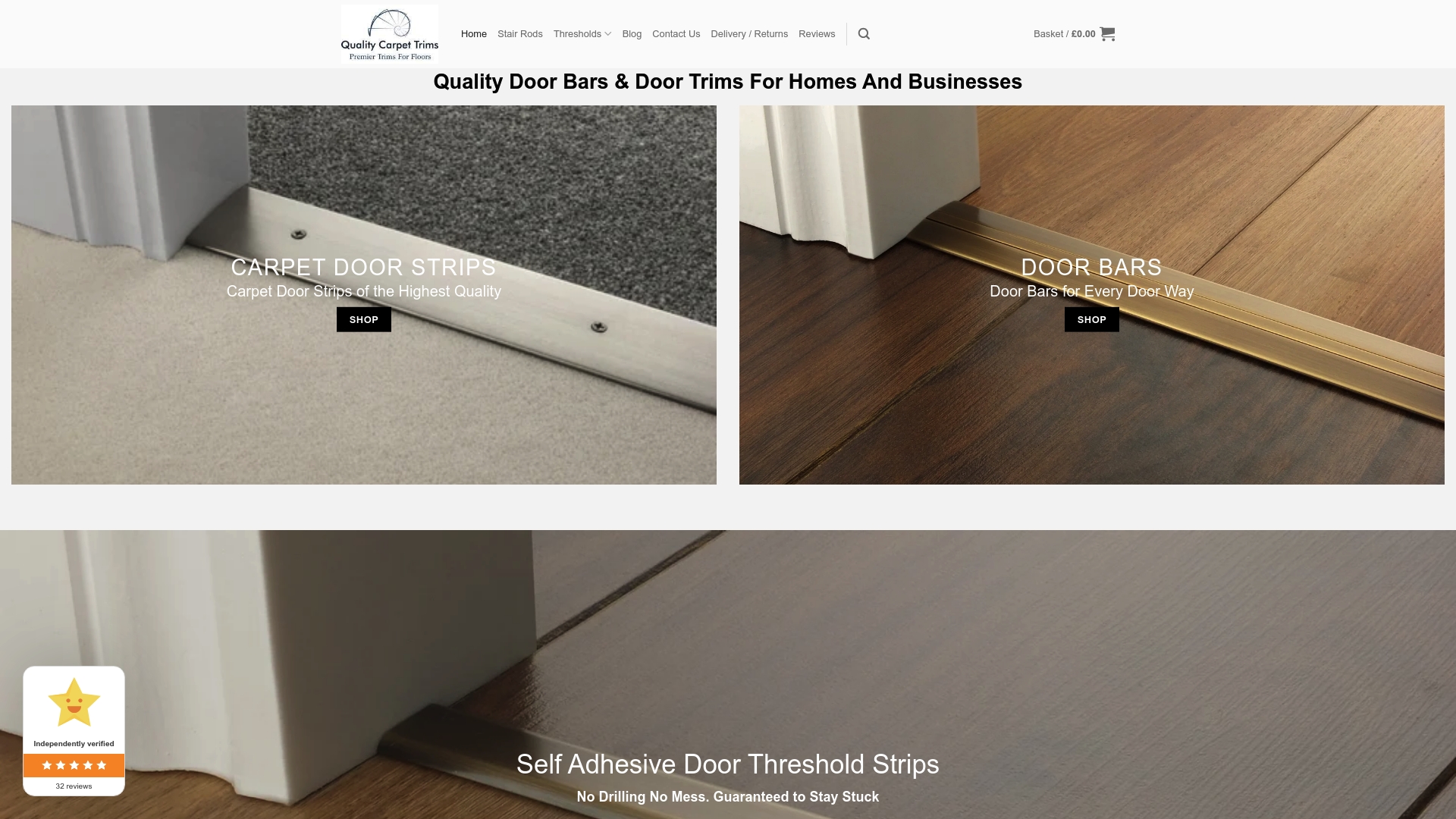
Discover durable, designer-friendly threshold strips that match your flooring and décor. Whether you need solutions for uneven floors, wet areas, or high-traffic zones, the transition strips for uneven floors collection provides options for every challenge. Expert customer support helps you select and install the perfect threshold strips for your project. The flooring trim types explained guide clarifies which profiles and finishes work best for different applications, ensuring professional results every time.
Frequently asked questions
What is the role of threshold strips in flooring?
Threshold strips bridge transitions between different flooring materials, creating smooth, safe passages at doorways. They prevent trip hazards by eliminating gaps and height differences whilst protecting flooring edges from damage. Additionally, they allow materials to expand and contract naturally with temperature and humidity changes.
When do I need different types of threshold strips?
T-profiles suit floors at identical heights, creating neat joins between rooms. Reducers handle height differences up to 8mm between surfaces. Ramp systems accommodate larger gaps up to 30mm, common in older properties with uneven subfloors. Measure your specific floor heights to determine which profile you need.
How do I maintain threshold strips to prolong their lifespan?
Clean threshold strips regularly with damp cloths and mild detergent, avoiding abrasive cleaners that scratch finishes. Check fixings annually and tighten any loose screws. Inspect expansion gaps to ensure they remain clear of debris that could restrict floor movement and cause buckling.
What UK regulations affect threshold strip selection?
BS 8300 and the Equality Act recommend colour contrast and slip resistance for accessibility. Threshold strips should provide clear visual differentiation for visually impaired users whilst maintaining smooth transitions for wheelchair access. These standards apply to commercial spaces but benefit residential properties equally.
Are threshold strips always necessary with modern flooring?
Yes, threshold strips remain essential even with modern materials. Floating floors require expansion gaps that threshold strips cover. Without them, edges fray and gaps widen over time. They also prevent moisture transfer between rooms and reduce noise transmission, benefits that enhance any flooring installation regardless of material type.
Recommended
- Discover Top Laminate Flooring Threshold Strips – Quality Carpet Trims
- transition strip, transition strips for uneven floors – Quality Carpet Trims
- Carpet To Laminate Threshold – Quality Carpet Trims
- Transition Strips For Uneven Floors In All Shapes And Sizes.