
Blog
Floor trim trends in 2026: styles, finishes and fitting

Jun
TL;DR:
- In 2026, floor trim trends emphasize taller, more substantial baseboards and durable solid brass finishes. Proper installation, coordination with ceiling height and profiles, and warm finishes enhance interior aesthetic harmony. Investing in high-quality trims ensures long-term performance and a sophisticated, finished look in residential spaces.
Floor trim trends in 2026 are defined by taller baseboards, warmer natural finishes, and installation methods that treat trims as functional components rather than afterthoughts. The shift is clear: homeowners and designers are choosing trims that visually rebalance room proportions, complement the warm flooring palettes dominating 2026 interiors, and hold up over decades without warping, splitting, or denting. Solid brass trims with luxury powder-coated finishes are leading this charge, outperforming cheaper materials on every measure that matters. If you are planning a renovation or new build this year, understanding these trends will help you make choices you will not regret.
How have baseboard heights and profiles evolved in 2026?
The most significant shift in floor trim trends this year is the move toward taller, more substantial baseboards. Designers and builders have recognised that undersized trims make rooms feel unfinished, particularly in homes with higher ceilings. The principle is straightforward: the taller the ceiling, the taller the baseboard needs to be to maintain visual balance.
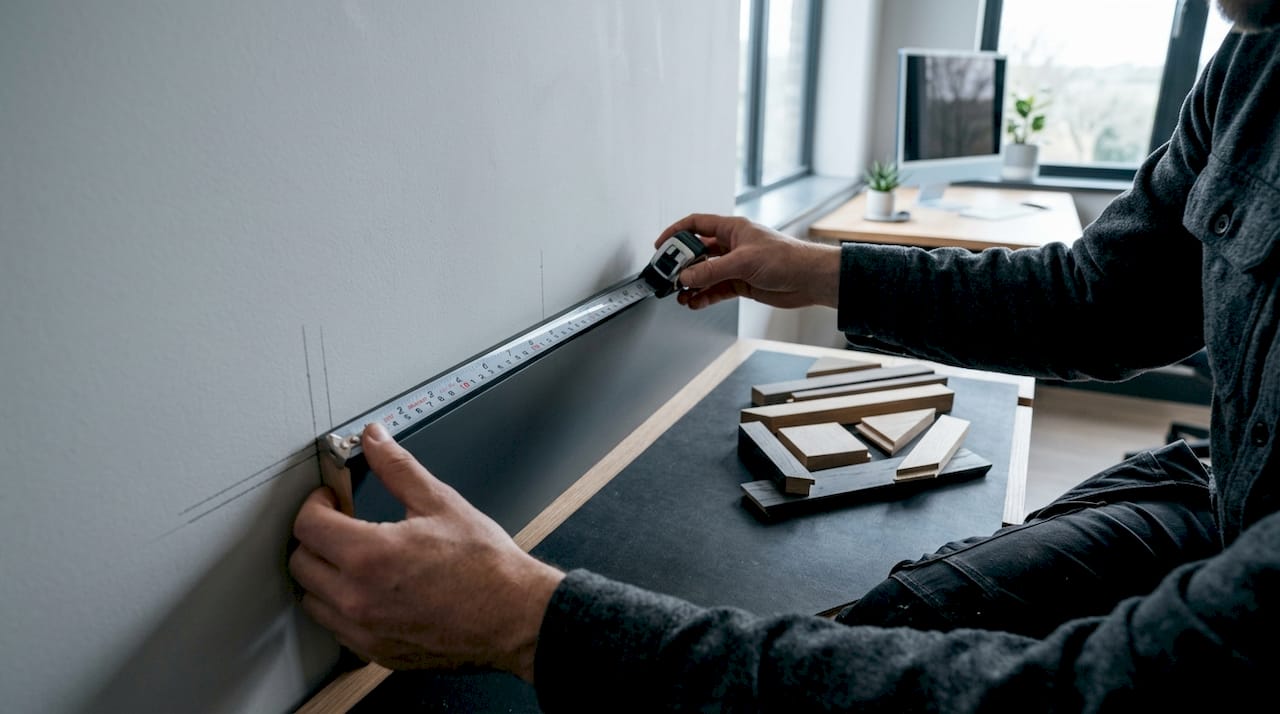
Recommended baseboard heights in 2026 follow a clear ceiling-to-trim ratio that has become the industry standard.
| Ceiling height | Recommended baseboard height |
|---|---|
| 8 ft | 4.5 to 5 inches |
| 9 ft | 5 to 7 inches |
| 10 ft and above | 7 to 9 inches |
These proportions are not arbitrary. Taller baseboards visually rebalance room proportions and add perceived ceiling height, which is particularly valuable in open-plan living spaces where scale matters. A 4-inch baseboard in a room with 10-foot ceilings looks like a forgotten detail. A 7-inch baseboard in the same room looks intentional and architectural.
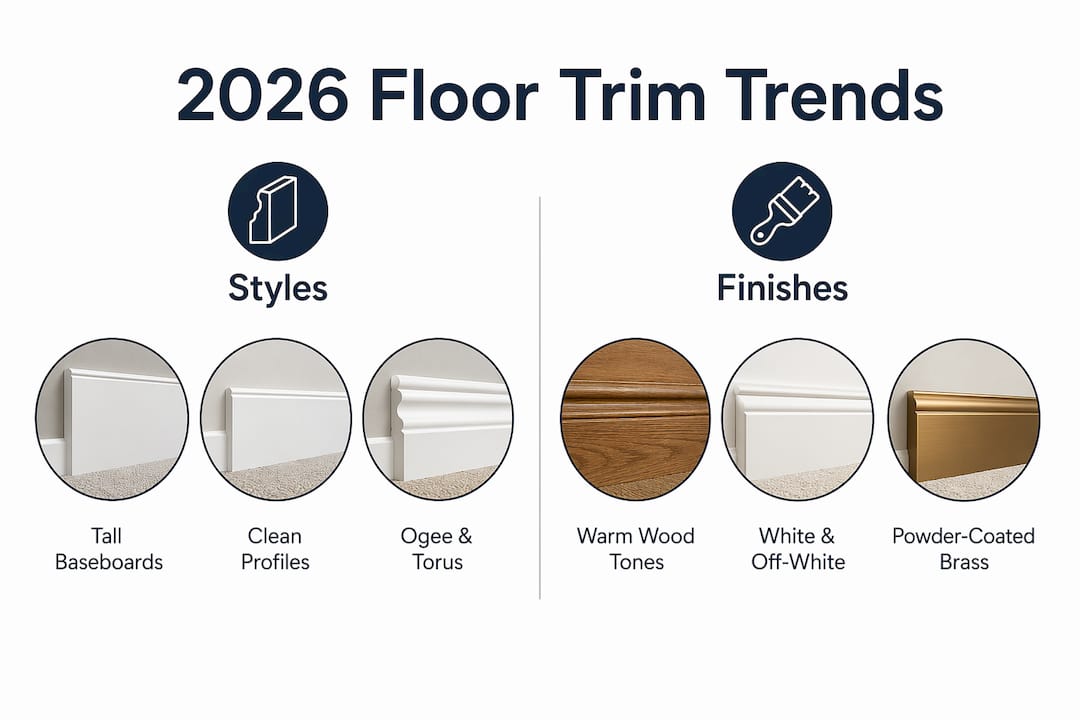
Profile choices in 2026 lean toward clean, moderately detailed styles. Traditional UK interiors favour ogee and torus profiles, which carry a subtle classical character without feeling heavy. Modern interiors are gravitating toward flat or pencil-round profiles that read as crisp and contemporary. The key is consistency: your baseboard profile should echo the character of your door architraves and, where present, your ceiling coving.
Pro Tip: Coordinate your baseboard profile with your door architrave before ordering. Mismatched profiles in the same room are one of the most common and most visible finishing mistakes in residential interiors.
Shoe moulding vs quarter round: what is the difference?
Both shoe moulding and quarter round serve the same primary function: covering the expansion gap between your flooring and the baseboard. Understanding the difference between them is one of the most practical interior finishing tips you can apply in 2026.
Shoe moulding measures approximately half an inch wide by three-quarters of an inch tall, with a slim, tapered profile that sits close to the floor. Quarter round is typically three-quarters of an inch by three-quarters of an inch, with a fuller curved profile that protrudes more noticeably from the baseboard. This distinction matters more than most homeowners realise.
Shoe moulding suits modern, lower-profile interiors where a discreet finish is the goal. Its slim form works well against the clean lines of contemporary baseboards and does not draw attention to itself. Quarter round has a bolder presence and suits traditional or cottage-style interiors where a more pronounced detail is appropriate. It also covers larger expansion gaps, which makes it the practical choice when your flooring installation has left a wider margin.
Here is a quick guide to choosing between the two:
- Use shoe moulding when your expansion gap is small and your interior style is modern or minimal
- Use quarter round when you need to cover a larger gap or when your home has a more traditional character
- Avoid wooden or plastic versions of either trim. Wooden trims split and warp with moisture changes. Plastic trims bend, discolour, and look cheap within a few years
- Solid brass trims with powder-coated finishes hold their shape and colour indefinitely, regardless of humidity or temperature fluctuation
Pro Tip: Never choose your trim profile based on what is cheapest at the point of purchase. The cost difference between a quality solid brass trim and a plastic one is small. The difference in how your room looks and performs five years later is significant.
What installation practices optimise floor trim performance?
Correct installation is where most DIY trim projects succeed or fail. Flooring trims serve as crucial functional parts of floating floor systems, not merely decorative additions. Treating them as decoration leads to buckling floors and failed joints within months.
Follow these steps for a professional result:
- Leave the manufacturer-specified expansion gap. Every floating floor requires room to expand and contract with temperature and humidity changes. Do not skip this step or reduce the gap to make fitting easier.
- Nail shoe moulding or quarter round into the baseboard, not the floor. Improper nailing restricts floor expansion, causing the floor to buckle. The trim must float with the floor, not pin it down.
- Cope inside corners, mitre outside corners. Coped inside corners provide superior joint tightness over mitred joints, particularly in UK homes where walls are rarely perfectly square. Mitring outside corners remains the standard for clean external angles.
- Caulk the top edge of your baseboard. Caulking and smoothing trim edges before painting creates a nearly invisible join between the trim and the wall. This single step separates a professional finish from an amateur one.
- Paint or finish before final fitting where possible. Painting trims in situ risks getting paint on your flooring. Pre-finishing saves time and produces a cleaner result.
For a detailed walkthrough of each stage, the floor trim fitting guide at Qualitycarpettrims covers measuring, cutting, and finishing in full.
Pro Tip: Think of your trim as part of the building system, not a cosmetic layer applied at the end. Every decision you make during installation either supports or undermines the performance of your floor.
How do 2026 floor trim finishes complement flooring colours?
2026 flooring aesthetics centre on warmth, realism, and durability, and trim choices need to follow the same logic. The era of cool grey floors paired with stark white trims is fading. In its place, designers are pairing warm-toned floors with trims that either complement or subtly contrast without clashing.
White and warm off-white painted trims remain the most popular choice in 2026 because they work across virtually every flooring type and colour palette. They also support resale value by appealing to the broadest range of buyers. Natural wood tones in trims, particularly white oak and walnut, are growing in popularity as homeowners seek a more cohesive, material-led aesthetic.
Key considerations for matching trim finishes to your floor:
- Pair warm natural wood floors with trims in brushed brass, satin gold, or warm off-white to maintain tonal harmony
- Matte finishes on both floors and trims are the modern durability standard in 2026, replacing high-gloss options that show every scuff
- Avoid plastic or MDF trims entirely. They absorb moisture, warp at skirting level, and lose their finish within a few years of normal use
- Solid brass trims with powder-coated finishes resist all of these failure modes and maintain their appearance without repainting or replacement
The finish on your trim is the last detail a visitor notices and the first one that dates a room when it is wrong. Getting it right is not difficult, but it does require treating the trim as part of the overall material palette rather than a separate decision.
Why do solid brass powder-coated trims outperform cheaper alternatives?
The case for solid brass trims with luxury powder-coated finishes is straightforward. Wooden trims split along the grain when moisture levels change, which is a near-certainty in UK kitchens, bathrooms, and hallways. Plastic trims bend under foot traffic, discolour with UV exposure, and cannot be refinished. Neither material belongs in a home where the finish is expected to last.
Solid brass trims do not split, bend, or dent. The powder-coated finish bonds to the metal at a molecular level, producing a surface that resists chipping, scratching, and fading far beyond what paint on wood can achieve. Qualitycarpettrims offers these trims hand-finished in ten luxury colours, covering the full range of 2026 interior palettes from warm brushed gold to cool pewter.
The practical benefits extend beyond aesthetics:
- No repainting required over the lifetime of the trim
- No swelling or shrinking with seasonal humidity changes
- Compatible with carpet, laminate, vinyl, and hard floor surfaces
- Available in finishes that coordinate directly with popular 2026 flooring tones
Pro Tip: When calculating the cost of a trim project, factor in replacement and repainting cycles for cheaper materials. A solid brass trim fitted once and never touched again is almost always the more economical choice over a ten-year period.
Key takeaways
Floor trim trends in 2026 reward homeowners who treat trims as structural and aesthetic investments, not finishing-line purchases made under budget pressure.
| Point | Details |
|---|---|
| Match baseboard height to ceiling | Use 4.5 to 9 inches depending on ceiling height to maintain visual proportion. |
| Nail into baseboard, not floor | Anchoring trim to the baseboard preserves expansion space and prevents buckling. |
| Cope inside corners | Coped joints outperform mitred ones in UK homes where walls are rarely perfectly square. |
| Choose warm, coordinated finishes | Pair trim finishes with flooring tones rather than defaulting to stark white in every room. |
| Invest in solid brass trims | Powder-coated solid brass resists splitting, bending, and denting that affect cheaper materials. |
What I have learned from watching trim choices play out in real rooms
I have seen the same mistake made dozens of times: a homeowner spends months choosing the right floor, the right paint colour, and the right furniture, then buys the cheapest trim available because it feels like a minor decision. Six months later, the plastic trim has bowed at the corner, the wooden one has split near the doorway, and the whole room looks unfinished despite everything else being right.
The taller baseboard trend is not just an aesthetic preference. When I have seen it applied correctly, with the height properly proportioned to the ceiling and the profile coordinated with the architraves, it genuinely changes how a room feels. Rooms read as more considered, more complete. The floor and wall stop competing and start working together.
My honest recommendation is to resist the urge to treat trim as the last budget line. The floor trim is the frame around your flooring. A cheap frame undermines an expensive painting. Solid brass with a quality powder-coated finish is the only material I would use in my own home, and it is the only material I would recommend to anyone who wants their renovation to look as good in ten years as it does on day one.
— Matt
Premium solid brass trims for 2026 UK interiors
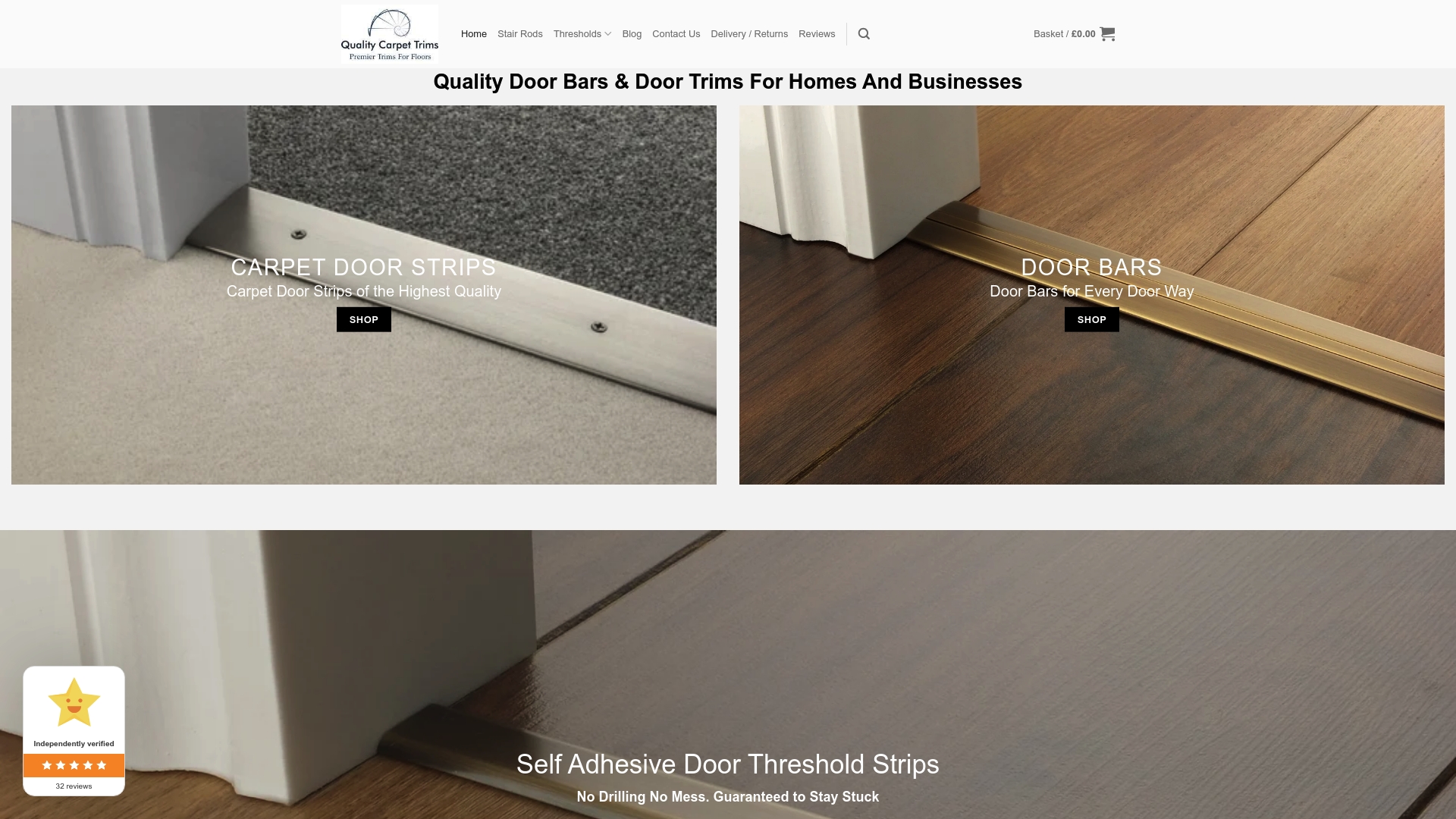
Qualitycarpettrims supplies solid brass flooring trims hand-finished in ten luxury powder-coated colours, designed specifically for UK residential and commercial interiors. Every trim is manufactured in Britain, built to resist the splitting, bending, and denting that affect cheaper materials, and available in finishes that coordinate directly with the warm, natural flooring palettes defining 2026 design. Whether you are finishing a single room or a full renovation, the premium flooring trims available from Qualitycarpettrims are built to last without repainting or replacement. Free samples, fast delivery, and expert fitting advice are included as standard. If you are unsure which trim suits your project, the trim types guide will help you select the right profile and finish before you order.
FAQ
What baseboard height is recommended for standard UK ceilings?
For 8-foot ceilings, a baseboard height of 4.5 to 5 inches is recommended. Rooms with 9-foot ceilings suit 5 to 7 inches, and ceilings above 10 feet call for 7 to 9 inches to maintain visual proportion.
Should shoe moulding be nailed to the floor or the baseboard?
Shoe moulding must always be nailed into the baseboard, never into the floor or subfloor. Nailing into the floor restricts the expansion movement of floating floors and causes buckling.
What is the best trim finish colour for 2026 interiors?
White and warm off-white remain the most widely used trim colours in 2026, but natural wood tones in white oak and walnut are growing in popularity. The best choice coordinates with your flooring tone rather than defaulting to a single universal colour.
Why are solid brass trims better than wooden or plastic alternatives?
Solid brass trims with powder-coated finishes do not split, warp, bend, or discolour over time. Wooden trims are vulnerable to moisture and splitting; plastic trims bend under foot traffic and cannot be refinished to a professional standard.
What is the difference between coping and mitring a corner joint?
Coping involves cutting one trim piece to fit over the profile of another at an inside corner, producing a tighter joint that compensates for wall imperfections. Mitring cuts both pieces at 45 degrees and is the standard method for outside corners.
Recommended
- Flooring trim terminology explained for UK finishes 2026
- Flooring trim types explained: choosing the right finish
- Floor trim fitting guide for a professional finish
- Upgrade interiors with innovative flooring trims for 2026