
Blog
How To Fit A Door Bar
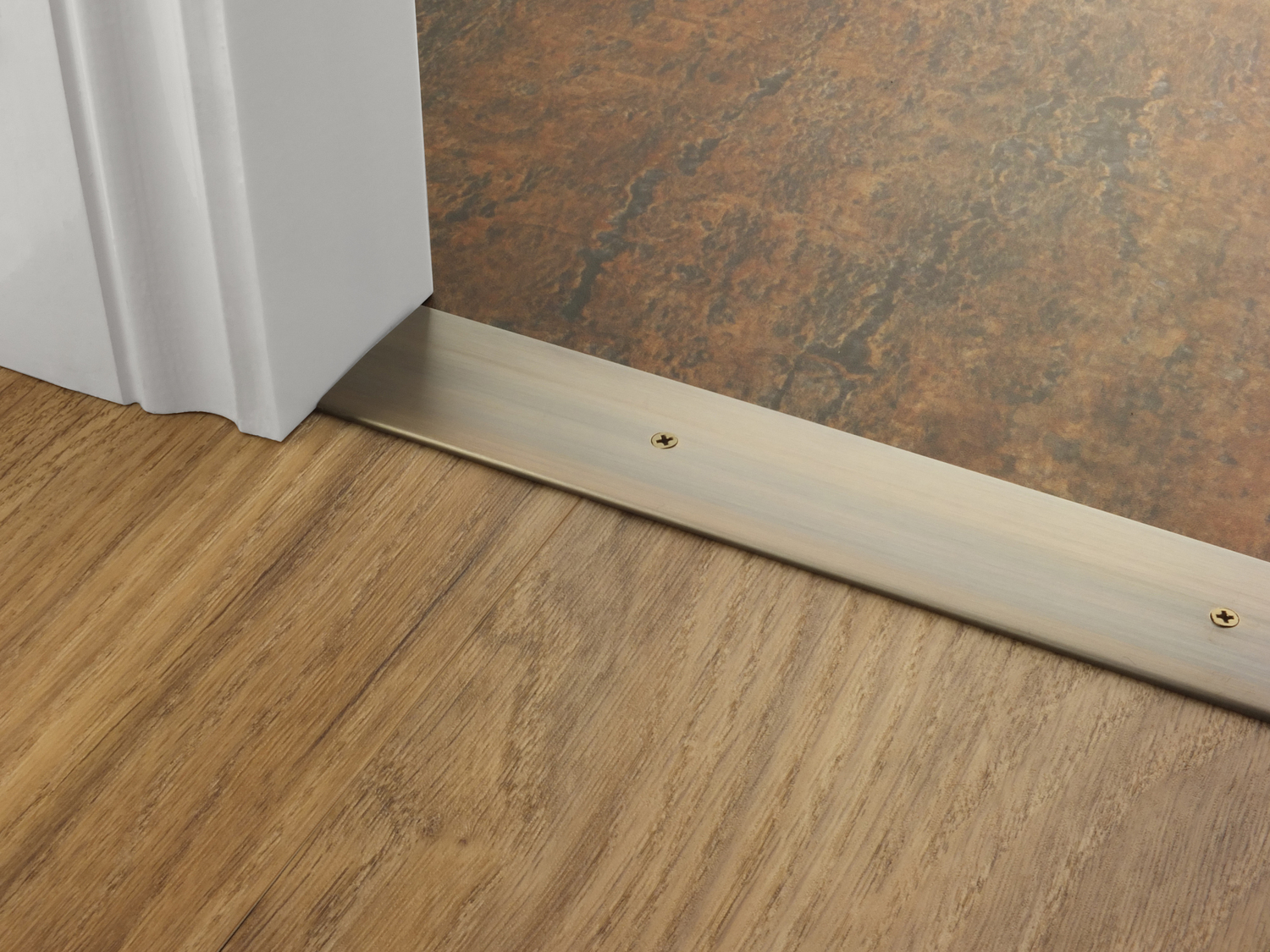
Oct
Cut, Fit, Finish: How To Trim And Secure Brass Thresholds Cleanly
A neat brass threshold gives your doorway a crisp, professional finish. Get the cut wrong or scratch the surface, and you will notice it every time you walk through. This step-by-step guide shows you how to cut brass cleanly, size your bar to suit the door swing, and fix it securely to timber or concrete without burrs or mess. You will also find tips on adhesive versus screws, how to remove an old strip, and simple aftercare to keep brass looking its best.
Tools and materials you will need
- Tape measure and pencil
- Masking tape
- Fine tooth hacksaw, 24 to 32 TPI blade
- Mitre box or a mitre saw with a fine metal blade
- Smooth and needle files, deburring tool if you have one
- Clamp or workbench with soft jaws
- Safety specs and cut resistant gloves
- Drill and metal bits if you plan to screw fix
- Suitable adhesive or self-adhesive option
- Vacuum and microfibre cloth
Pro tip, place a scrap of cardboard under the work to protect the finish while cutting and filing.
Measure first, allow for door swing
- Close the door and measure the clear width of the opening at floor level. Measure again with the door open to confirm the maximum coverage you want.
- If you have a rebated door or a tight clearance, open and close the door while holding the threshold in position to check it will not bind.
- For bars with a curved or ramp profile, check which way the ramp should face. You usually want the higher side under the thicker floor covering.
Can threshold strips be cut to size? Yes. Solid brass and brass finish threshold strips are intended to be trimmed on site for a perfect fit.
Prepare the cut for a clean edge
How to cut brass threshold cleanly:
1. Mark the cut: Wrap masking tape around the bar where the cut will be. The tape supports the surface and helps prevent microchipping. Mark your line over the tape with a fine pencil.
2. Clamp gently: Support the bar in a mitre box. Use soft jaws or a folded cloth in your clamp so you do not mar the surface.
3. Use the right blade: Fit a 24 to 32 TPI hacksaw blade. Start with several light draw strokes to establish a groove, then use steady, even pressure. Let the teeth cut, do not rush.
4. Keep the face up: Cut with the show face upwards and the offcut supported to avoid vibration.
5. Clean up: Remove the tape, then use a smooth file to dress the cut. Stroke in one direction, lifting on the return. Break the sharp arris with two or three light passes. Finish with a quick pass of a needle file in any
small profiles.
How to cut brass cleanly is all about control. A fine blade, firm support, and patience will give you a burr free edge that looks factory finished.
Drill fix or stick, choosing your fixing method
How to secure a threshold strip depends on your subfloor and the product design.
- Self-adhesive: Quick, neat, no visible fixings. Ideal for smooth, dust free substrates. Degrease thoroughly and warm the room so the tape bonds well. Self-adhesive door threshold strips are a great choice for most
internal doorways where the floors are level and the subfloor is sound. - Screw fix: Best for uneven subfloors, heavy traffic, or where you want future removal. Use countersunk brass screws that match the finish.
Do you glue down the threshold? You can. A grab adhesive suitable for metals works well when you need extra hold or your strip has no mechanical fixings. What is the best adhesive for door threshold? Choose a high
quality, solvent free grab adhesive or an MS polymer that bonds metals to timber, concrete, or tile. Check the label for compatibility with brass and the specific subfloor.
Fixing to timber vs concrete
- Timber subfloor:
Vacuum, degrease, and dry the surface.
For screw fixing, pre-drill the bar using a sharp HSS bit and a scrap timber backer to avoid burrs. Deburr holes, then pilot drill the floorboards. Use brass or stainless screws.
For adhesive, apply a thin zigzag bead, press in place, and weight for the cure time.
- Concrete or screed:
Sand any paint or laitance, vacuum dust, and prime if the adhesive requires it.
For screws, drill and plug the concrete using masonry bits and appropriate plugs. Then fix with countersunk screws.
Adhesive is often simpler on concrete as long as it is smooth and clean.
How to keep a threshold in place: ensure the substrate is flat, degreased, and dry. Test fit first. If using tape, roll down firmly with a hand roller or a block wrapped in cloth. If using adhesive, follow the cure time before
opening to traffic.
Step by step installation summary
1. Dry fit: Place the bar, check door swing, check coverage of both floor edges.
2. Mark and cut: Use masking tape, mitre box, and a fine tooth blade.
3. Deburr and dress: File the cut until smooth and safe to touch.
4. Mark fixing points: For screws, position holes 50 to 75 mm from each end and at 300 mm centres.
5. Prepare the surface: Vacuum and degrease with isopropyl alcohol for self-adhesive, or with the adhesive maker’s cleaner.
6. Fix in place: Peel and stick, or apply adhesive and weight, or screw fix.
7. Final check: Open and close the door, confirm there is no rubbing.
Safety and finish protection
- Wear eye protection and gloves when cutting and filing.
- Keep the bar wrapped in its protective film until the final fit. Remove only the section you are cutting.
- Always put masking tape on the shoe face near cuts and drill points to avoid scratches.
- Lay the bar on a soft cloth while working to prevent scuffs.
- Vacuum filings before wiping so you do not drag grit across the finish.
Removing an old threshold strip
How to remove a threshold strip:
- Self-adhesive: Warm the bar with a hair dryer to soften the tape. Pry gently from one end with a plastic trim tool. Roll away any tape residue with your thumb, then remove remaining adhesive with a citrus remover
or isopropyl alcohol. - Screw fixed: Remove screws. If paint is bridging the edges, score with a sharp knife before lifting. If the bar sticks, slide a wide putty knife underneath and work along the length.
Clean the subfloor thoroughly before fitting the new bar.
Aftercare, cleaning and maintenance
How to clean a brass threshold:
- Routine: Dust with a soft brush
-
Remove spills immediately to limit corrosion with white vinegar. Brass will tarnish over time, and we recommend a polishing cloth such as HG copper shine cloth available from most DIY stores. Avoid contact with floor coverings.
-
Should corrosion appear, we use this finishing pad, Mirka Total Finishing pad P1500 (grey). Rub the area to remove contamination and buff up with HG copper shine cloth.
- Polished brass: If it is unlacquered, a small amount of non-abrasive metal polish restores shine. If lacquered, avoid polishes and abrasives, just wash and dry.
Troubleshooting quick answers
- How to cut brass threshold: use a 24 to 32 TPI hacksaw in a mitre box, mask the cut, support the offcut, file smooth.
- Can threshold strips be cut to size: yes, trim to fit on site.
- How to secure a threshold strip: self-adhesive on clean, smooth floors, or screws and plugs where you need a mechanical fix.
- Do you glue down the threshold: yes, if you prefer, use an MS polymer or solvent free grab adhesive rated for metals.
- What is the best adhesive for door threshold: a high quality MS polymer that bonds brass to your subfloor and stays slightly flexible.
- How to keep a threshold in place: perfect prep, firm pressure on tape, correct cure time for adhesive, and adequate screws if using fixings.
- How to remove a threshold strip: heat to soften tape or undo screws, then clean residue, do not lever against delicate floor edges.
- How to clean a brass threshold: Remove spills immediately to limit corrosion with white vinegar. Brass will tarnish over time, and we recommend a polishing cloth such as HG copper shine cloth available from most DIY stores. Avoid contact with floor coverings, polish only if unlacquered.
Choosing quality, when to upgrade
If you want a fast, clean fit with no drilling, our self-adhesive door threshold strips are available in multiple widths and finishes, cut beautifully, and bond firmly when the surface is prepped well. For wider spans or premium
rooms, consider wide door threshold strips with a heavier section and a more substantial presence.
You might also be finishing other edges at the same time. If so, explore matching edge trims for a consistent look across your project. For carpeted rooms meeting tiles or wood, a carpet to flooring trim creates a smooth,
safe transition.
Summary
Cutting and fitting a brass threshold is straightforward with the right blade, careful measuring, and calm, tidy work. Mask the cut, support the bar, file the edge, then choose a fixing method that suits your subfloor. Keep the
finish protected during every step, and clean with mild soap to maintain the look. Whether you opt for peel and stick convenience or a screw fixed install, a properly prepared surface is what keeps the bar in place. When you
are ready to fit one that looks as good as it performs, take a look at our self-adhesive door threshold strips and premium door bars that are hand finished in the UK for a precise, long-lasting result.
Internal links included:
Door threshold strips: https://www.qualitycarpettrims.co.uk/door-threshold-strips/
Edge trims: https://www.qualitycarpettrims.co.uk/buy/angle-trim/
Carpet to flooring trim: https://www.qualitycarpettrims.co.uk/buy/carpet-to-tile-threshold